As we cross the milestone of 50, our conversations naturally shift toward longevity, strength, and maintaining our independence. We look for ways to keep our bodies moving just as vibrantly as our minds. Yet, beneath the surface, an invisible shift is occurring as our bones quietly begin to lose their density. While traditional advice always points to calcium, a growing wave of scientific research suggests that introducing targeted probiotics for osteoporosis might just be the missing link to protecting your skeletal health from the inside out.
If you are concerned about osteoporosis, you have likely been told to take calcium supplements, walk more, and ensure you get enough Vitamin D. While this is excellent foundational advice, standard medical wisdom often leaves out a critical piece of the puzzle: your digestive system. New clinical insights suggest that integrating specific probiotics for osteoporosis into your daily routine can fundamentally change how your body absorbs and utilizes those bone-building minerals.
Can the right diet help prevent osteoporosis? Absolutely, but the secret to unlocking the true power of that diet lies within your gut microbiome. By supporting your gut health with target nutrients and high-quality probiotics, you can significantly enhance bone density and protect your skeletal strength for years to come.
Understanding Osteoporosis After 50: The Silent Shift
Osteoporosis is often called a “silent disease” because bone loss happens gradually without any outward symptoms or pain—until a sudden fracture occurs.
Inside our bodies, bone is not a static structure; it is living, dynamic tissue. Throughout your life, your body constantly breaks down old bone and replaces it with new bone in a process called remodeling. However, around the age of 50, this balance tilts. Due to hormonal changes—particularly the drop in estrogen during menopause for women and gradual testosterone declines in men—the body begins to break down bone faster than it can rebuild it.
When bone resorption outpaces bone formation, the internal architecture of your bones becomes porous, fragile, and prone to breaking. The hips, spine, and wrists become especially vulnerable.
To halt this progression, we have to look closely at what we feed our bodies. However, eating the right foods is only half the battle. Your body must actually be able to absorb those nutrients, and that is where your gut takes center stage.
Introducing the “Gut-Bone Axis”
For a long time, gastroenterology (the study of the gut) and orthopedics (the study of bones) were treated as completely separate fields. Today, cutting-edge medical research reveals they are profoundly connected through a pathway known as the Gut-Bone Axis.
Your gut health directly influences your bone health in three primary ways:
- Nutrient Bioavailability: Your gut decides how much calcium, magnesium, and phosphorus from your food actually makes it into your bloodstream and bones.
- Inflammation Control: An unbalanced gut creates systemic (body-wide) inflammation. Chronic inflammation activates osteoclasts, the specific cells responsible for breaking down bone tissue.
- Immune System Regulation: Over 70% of your immune system lives in your gut. A healthy immune system keeps bone-remodeling signals in a state of healthy equilibrium.
How Probiotics Boost Mineral Absorption (The Role of SCFAs)
You could consume all the calcium in the world, but if your gut environment is suboptimal, much of that calcium simply passes through your system unused. This is where specialized probiotics for older adults become game-changers.
When you introduce beneficial bacteria (probiotics) into your gut and feed them the right dietary fibers (prebiotics), these bacteria ferment the fiber. This fermentation process produces highly beneficial compounds called Short-Chain Fatty Acids (SCFAs), such as butyrate, acetate, and propionate.
Here is the step-by-step science of how SCFAs protect your bones:
- Lowering Intestinal pH: SCFAs slightly increase the acidity of your intestines. Don’t worry—this is a good thing! A slightly acidic gut environment transforms dietary calcium and magnesium into a highly soluble form.
- Expanding Absorption Surface Area: SCFAs promote the health and growth of the microvilli (the tiny, brush-like structures lining your intestines), effectively expanding the surface area available to absorb bone-building minerals.
- Directly Inhibiting Bone Breakdown: Emerging clinical trials show that SCFAs can cross into the bloodstream and directly signal bone cells to downregulate the activity of bone-destroying cells.
The Power Trio: Calcium, Vitamin D, and Probiotics
To build an effective diet for osteoporosis prevention, you need to create synergy. Think of bone health as a construction site:
The Structural Breakdown:
- Calcium is the raw brick used to build the structure.
- Vitamin D is the delivery truck that transports the bricks from your digestive tract into your blood.
- Probiotics are the skilled master builders ensuring the bricks are efficiently utilized and laid down correctly without going to waste.
Without Vitamin D and a thriving gut microbiome, your body cannot efficiently harvest calcium from foods like leafy greens, fortified dairy, or small bone-in fish (like sardines).
Protecting Your Muscle Mass to Protect Your Bones
When discussing senior skeletal health, we cannot ignore muscle. Bone health and muscle mass are inextricably linked.
As we age, we face a natural risk of sarcopenia—the age-related loss of muscle mass and strength. When muscles weaken, your balance declines, significantly increasing the risk of falls. For someone with low bone density, a simple fall can lead to a debilitating hip or spinal fracture.
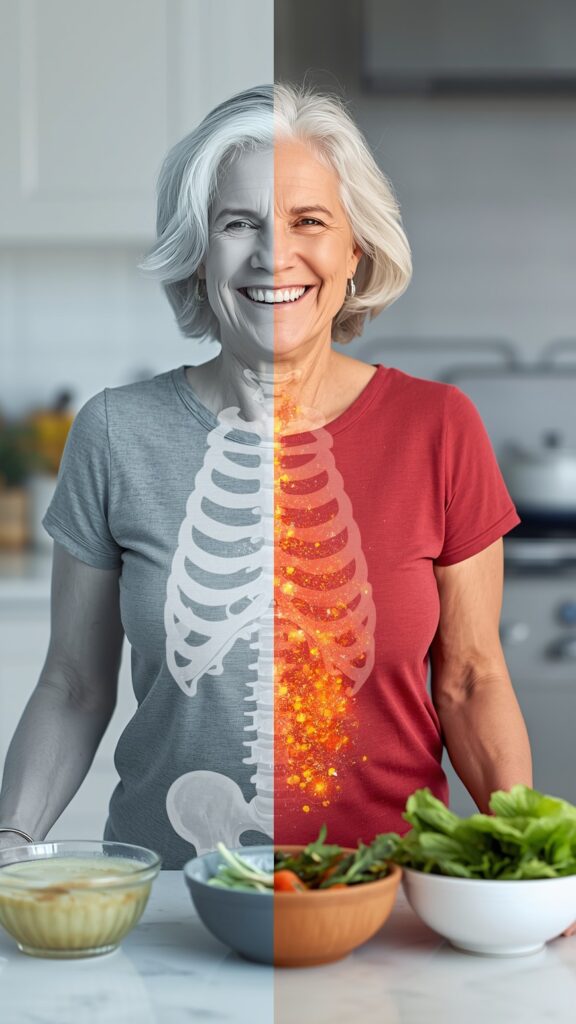
Fortunately, your gut microbiome plays a massive role in muscle retention too. A healthy gut reduces age-related muscle wasting. It improves how efficiently your body breaks down dietary protein into the amino acids needed to rebuild muscle tissue. By keeping your gut healthy, you support your muscles, improve your balance, and create a natural armor that protects your fragile bones from impact.
Choosing the Best Probiotics for Osteoporosis and Bone Health
Not all probiotics are created equal. If you want to find probiotics for osteoporosis prevention, look for specific, clinically studied strains that have demonstrated success in supporting bone mineral density and reducing inflammation in adults over 50.
Look for formulations containing:
- Bifidobacterium longum: Highly effective at enhancing intestinal calcium absorption and mitigating the systemic inflammation that triggers bone loss.
- Lactobacillus reuteri: Extensively studied in postmenopausal women; clinical trials show it significantly reduces bone loss compared to placebos.
- Lactobacillus rhamnosus: Known for supporting structural gut integrity, reducing “leaky gut,” and optimizing overall nutrient delivery.
Your Everyday Dietary Blueprint for Stronger Bones
To put this science into action, structure your daily meals around a whole-food diet that feeds both your bones and your beneficial gut microbes.
1. Fill Up on Prebiotic Fibers
Feed your existing good bacteria so they can produce those vital SCFAs. Excellent sources include:
- Garlic, onions, and leeks
- Asparagus and artichokes
- Slightly underripe bananas and oats
2. Prioritize High-Quality Protein
Aim for adequate protein at every meal to fight off sarcopenia. Focus on lean poultry, fish, eggs, tofu, and legumes.
3. Embrace Fermented Foods
Nourish your microbiome naturally by introducing live cultures through your diet. Incorporate high-quality kefir, unsweetened yogurt, miso, traditional sauerkraut, and kimchi into your weekly routine.
Step Into Your Vibrant Future
Preventing osteoporosis is not just about slowing down a disease; it is about protecting your freedom, your mobility, and your ability to pick up your grandchildren, travel the world, and live life completely on your own terms.
By upgrading your daily diet and introducing targeted probiotics for osteoporosis, you aren’t just treating a single symptom—you are cultivating health from the inside out. Your gut and your bones will thank you.
Medical Disclaimer
The information presented in this article is intended entirely for educational and informational purposes. It does not constitute medical advice, diagnosis, or treatment. Always consult your primary care physician, a registered dietitian, or a qualified healthcare professional before introducing a new supplement regimen or making major adjustments to your diet, especially if you have an existing medical condition or are taking prescription medications.