When we think about staying strong and independent as we age, our minds usually go straight to calcium supplements and lifting light weights helpful for improving senior bone density. While those are undeniably important, there is a hidden player in the equation that often gets completely overlooked: your digestive system.
If you or a loved one are focused on improving senior bone density, the secret to success might actually lie in how well your gut is functioning. There is a profound, biological link between your gastrointestinal tract and your skeletal strength that dictates how well your body preserves its framework over time.
The Critical Role of Gut Health in Improving Senior Bone Density
As we get older, our bones naturally lose minerals faster than they can replace them. This shift can lead to osteopenia or osteoporosis, making a simple stumble much more hazardous. However, simply eating calcium-rich foods isn’t enough if your gastrointestinal tract can’t process them properly.
How Nutrient Absorption Aids in Bone Health
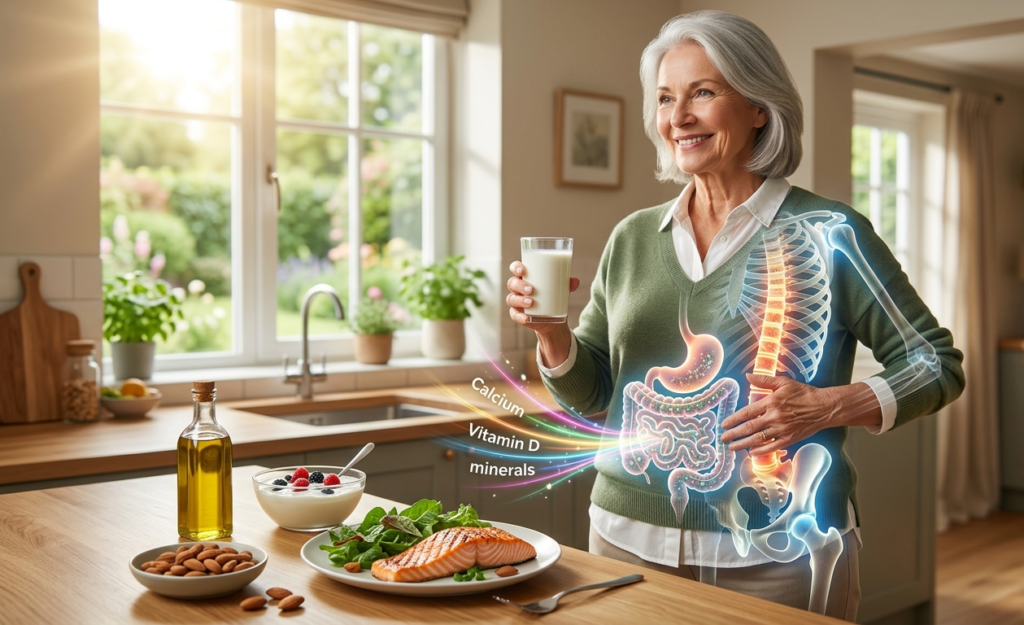
Your small intestine is the gatekeeper for bone health. It is entirely responsible for absorbing calcium, magnesium, and vitamin D—the literal building blocks of your skeleton. As we age, stomach acid levels often drop, and the gut lining can become less efficient.
If your body cannot effectively pull these vital minerals from your food due to poor digestion, it will begin stealing calcium from your bones to keep your heart and muscles functioning. Therefore, optimizing your digestion is a foundational, non-negotiable step for improving senior bone density.
Practical Steps for Improving Senior Bone Density Through Digestion
To truly support your skeletal framework, you need an integrated approach that pairs bone nutrition with targeted digestive care. Here is how you can make your gut work for your bones:
- Support Your Stomach Acid: Chronic use of antacids or PPIs can severely hinder calcium absorption. Talk to a doctor about managing reflux naturally to ensure your stomach stays acidic enough to break down minerals.
- Prioritize Vitamin D3 and K2: Calcium needs a delivery driver. Vitamin D helps your gut absorb calcium, while Vitamin K2 acts as the GPS, ensuring that calcium goes directly into your bones rather than building up in your arteries.
- Cool the Inflammation: Chronic gut inflammation from processed foods can trigger bone loss. Shifting toward a Mediterranean-style diet rich in leafy greens, fish, and olive oil protects both your gut lining and your joints.
Dietary Tweaks for Improving Bone Density
Introducing fermented foods into your routine can make a massive difference. Foods like kefir, plain yogurt, and sauerkraut feed the beneficial bacteria in your microbiome. A thriving microbiome produces short-chain fatty acids, which lower the pH of your intestines and significantly increase the amount of calcium your body can successfully absorb.
Moving Forward Safely
Protecting your skeleton requires looking at the whole picture. If you are taking bone-density medications or dealing with chronic digestive issues like IBS or celiac disease, your bone health requires a personalized approach. Consider scheduling a conversation with a gastroenterologist or a senior health specialist to build a plan that keeps your gut happy and your bones beautifully strong.
Medical Disclaimer
The information presented in this article is intended entirely for educational and informational purposes. It does not constitute medical advice, diagnosis, or treatment. Always consult your primary care physician, a registered dietitian, or a qualified healthcare professional before introducing a new supplement regimen or making major adjustments to your diet, especially if you have an existing medical condition or are taking prescription medications.